
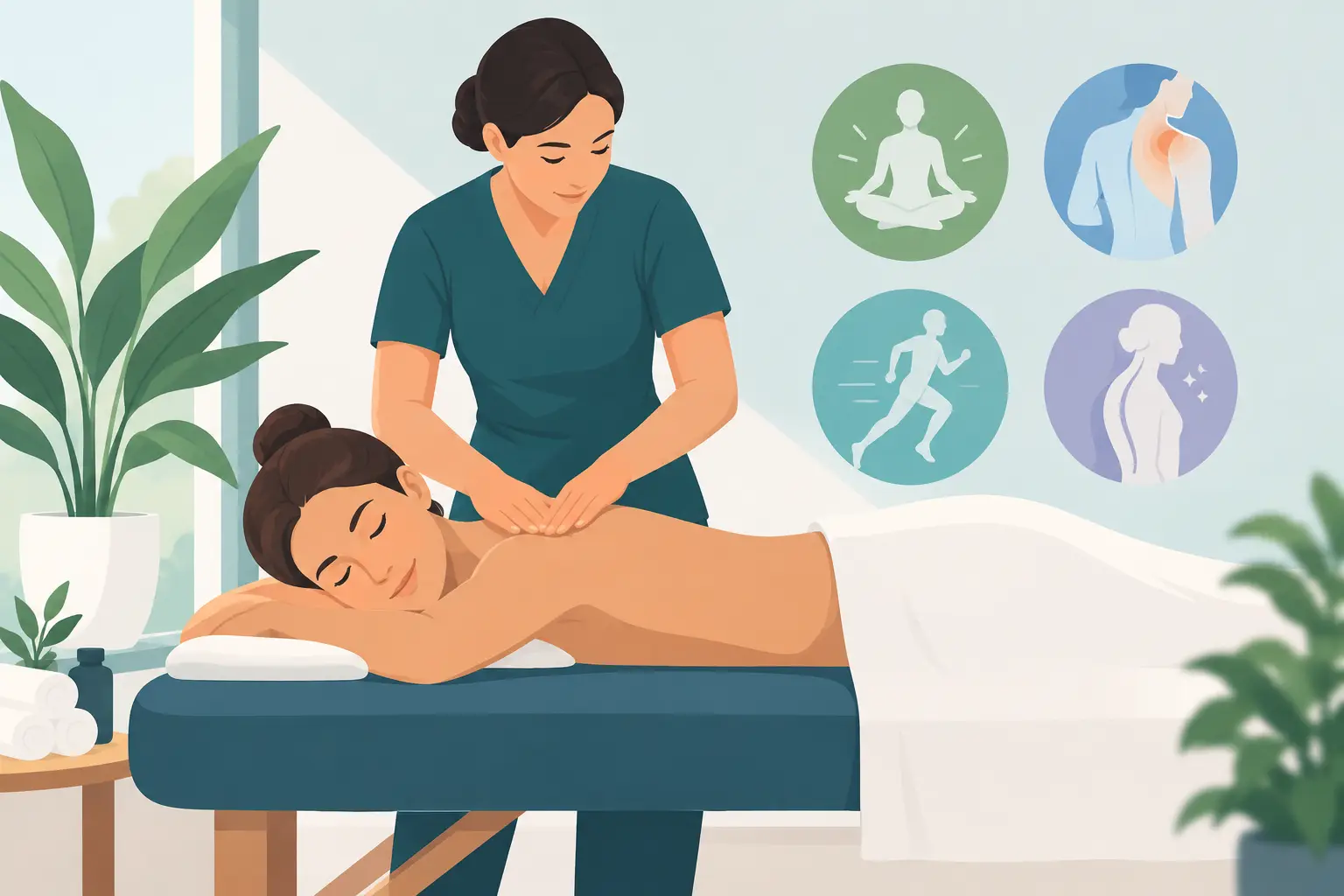
That familiar tightness between your shoulders can make a full workday feel longer than it is. So can legs that feel heavy after training, a jaw that stays clenched after stressful meetings, or a low back that never seems to settle. Thoughtful bodywork gives your system a dedicated moment to soften, and the best massage recovery results often begin with that immediate feeling of being able to exhale.
At the same time, massage is not a magic reset button. Your experience depends on your stress level, daily movement, sleep, hydration, the type of pressure you prefer, and how much tension has been building over time. A personalized massage can create meaningful relief, but it works best as part of an attentive approach to your overall well-being.
What Massage Recovery Results Can Look Like
Many clients notice a difference before they leave the treatment room. Their shoulders rest lower, their breathing feels less shallow, and movement feels more comfortable. This is the kind of result that matters when your body has been operating in a constant state of hurry.
For others, the first change is quieter. You may sleep more deeply that night, feel less restless, or realize the next day that you are no longer bracing through your neck and upper back. Massage can support relaxation by giving your body a calm, comfortable environment and focused attention that everyday life rarely allows.
When muscles feel overworked from workouts, long hours at a desk, travel, or repetitive movement, customized pressure may help ease the feeling of tightness and fatigue. The goal is not to force your body into discomfort. It is to work thoughtfully with the areas asking for care, so you leave feeling refreshed rather than depleted.
Visible changes are not always the measure of a good session. Sometimes the most valuable outcome is a return to ease: turning your head without hesitation, taking a fuller breath, or simply feeling more at home in your body.
Why Your Results May Feel Different From Someone Else’s
Massage is personal. One client may prefer a soothing, flowing session that helps quiet an overstimulated mind. Another may arrive with persistent tension through the shoulders, hips, or legs and want more focused deep tissue-style work. Both approaches can be restorative when they are matched to the person receiving them.
Pressure is only one part of the experience. More pressure does not automatically mean better massage recovery results. If the body tenses against the work, the session can become less comfortable and less relaxing. Clear communication allows your massage therapist to adjust pressure, pace, and focus throughout the appointment, creating care that feels supportive instead of overwhelming.
Your starting point matters, too. A client who schedules massage as regular self-care may notice that tension is easier to manage between visits. Someone coming in after months of stress, little sleep, and prolonged desk posture may need more than one session before they feel a lasting shift. Neither experience is a failure. It is simply a reflection of what the body has been carrying.
The First 24 Hours After a Massage
A relaxed, lighter feeling is common after massage, but your body may also feel tender in areas that received focused attention. This can be especially true after firmer work on muscles that have been holding tension for a long time. Mild sensitivity should feel manageable, not alarming.
Give yourself a little room to absorb the session. Drink water because it supports your usual hydration needs, eat a nourishing meal if you are hungry, and avoid rushing straight into an intense workout if your body feels tired. A gentle walk, comfortable stretching, or a warm shower can be a lovely way to extend the sense of calm.
If you have a demanding schedule, even a small pause helps. Rather than immediately returning to emails, errands, or a packed evening, let your shoulders stay relaxed for a few extra minutes. The value of massage is not limited to the time on the table. It also comes from the way you carry that calmer state back into your day.
If discomfort feels sharp, unusual, or does not improve, seek advice from an appropriate healthcare professional. Massage should complement your wellness routine, and your comfort should always come first.
A Note on Post-Massage Soreness
There is a common belief that a massage must hurt to be effective. That is not the standard to chase. Some focused work can leave muscles feeling temporarily tender, particularly when you are addressing long-held tightness, but severe pain during or after a session is not a sign of superior care.
A quality experience leaves room for feedback. Speak up if pressure feels too intense, if an area is especially sensitive, or if you would rather spend more time on relaxation than targeted work. Your treatment should feel tailored to your needs that day, not to a fixed formula.
How to Help Your Results Last
The most satisfying massage recovery results often come from consistency, not from trying to solve every ache in one appointment. Your ideal rhythm will depend on your routine. A person managing a high-stress work season may benefit from regular visits for a period of time, while someone seeking occasional restoration may schedule around travel, demanding projects, or active weekends.
Between appointments, pay attention to the small habits that recreate tension. Do you hold your phone between your shoulder and ear? Do you work for hours without standing up? Does your training routine leave certain areas feeling repeatedly overworked? Awareness is a gentle form of self-care because it gives you a chance to make small adjustments before discomfort becomes your normal.
Consider pairing massage with simple supportive practices: a few minutes of easy movement after sitting, a consistent sleep routine, balanced hydration, and moments to intentionally slow down. These are not dramatic changes, but they can help preserve the comfortable, open feeling you notice after a session.
For clients with physically demanding jobs or active lifestyles, timing can also make a difference. A massage scheduled after a particularly intense stretch may feel deeply restorative. Before a major event or workout, a lighter, relaxation-focused session may be a better fit than intensive pressure. The right choice depends on what your body needs next.
Personalized Care Makes the Difference
A boutique massage experience should never feel rushed or generic. The most meaningful care begins with listening: where you feel tension, what your week has looked like, what kind of pressure feels right, and whether your goal is deep relaxation, muscle relief, or both.
At Absolute Skin Therapy, the focus is on creating a private, clean, and welcoming space where wellness meets luxury. Each session is an opportunity to step away from the noise of West Hollywood and receive attentive care shaped around your comfort. Whether you arrive feeling physically drained, mentally overloaded, or simply ready for time to unwind, the details matter.
That individualized attention is what helps turn a massage from a pleasant break into a restorative ritual. A calm setting, professional touch, and open communication create the conditions for you to let go of tension without feeling like you have to explain or perform your stress.
When to Set Realistic Expectations
Massage can be a wonderful part of caring for everyday tightness, stress, and muscle fatigue, but it is not a replacement for medical evaluation. If you are experiencing a new injury, significant swelling, numbness, persistent pain, fever, or other concerning symptoms, it is wise to consult a qualified healthcare professional before booking bodywork.
It is also helpful to be honest about your goal. If you want to feel calmer and more comfortable after a demanding week, one session may deliver exactly the pause you need. If you are hoping to change a long-standing pattern of tension, think in terms of ongoing care and supportive daily habits. Progress can be gradual, and that is perfectly normal.
The most rewarding result is often not dramatic. It is the quiet confidence of leaving with a softer body, a clearer mind, and the reminder that taking care of yourself is not an indulgence you need to earn. It is time well spent.
Leave a Reply