
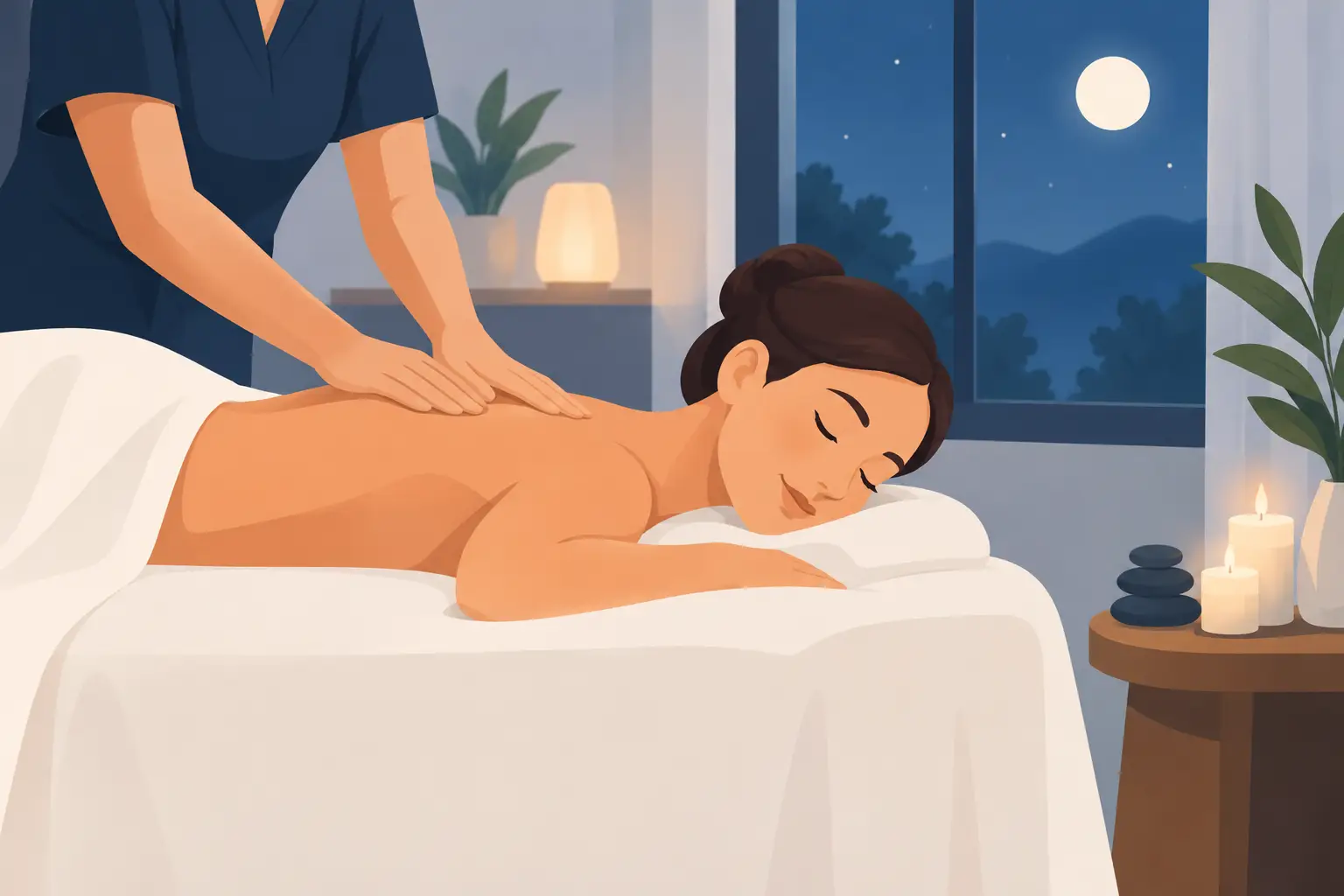
A night of restless sleep often begins long before your head touches the pillow. It can start with shoulders held high through a demanding workday, a jaw clenched in traffic, or a mind that keeps replaying tomorrow’s to-do list. Understanding how massage improves sleep starts there: by giving the body a clear, comforting signal that it is safe to release the day.
Massage is not a replacement for medical care when sleep problems are persistent or severe. But for many people, regular therapeutic bodywork can become a meaningful part of a more restful routine. It supports relaxation at the source, helping tense muscles soften and the nervous system shift out of constant alertness.
How Massage Improves Sleep Through Relaxation
Sleep asks the body to do something many busy Angelenos find difficult: slow down. When stress remains high, the body can stay in a heightened state even after the lights are off. You may feel exhausted, yet mentally active and physically unable to settle.
A soothing massage encourages the opposite response. Intentional touch, a quiet private setting, and unhurried care can help move the body away from the fight-or-flight state associated with stress and toward a calmer, more restorative state. Breathing often deepens. The heart rate may slow. Muscles that have been working all day have a chance to let go.
That transition matters because quality sleep is not only about spending enough hours in bed. It is also about arriving at bedtime with less physical and emotional noise. A massage creates space between a full day and a restful night, so relaxation feels less like something you have to force.
Less Muscle Tension Can Mean Fewer Nighttime Disruptions
Tightness in the neck, back, hips, and legs can make it harder to find a comfortable sleep position. For people who spend long hours at a desk, commute often, train regularly, or carry stress in their upper body, minor discomfort can become an ongoing bedtime distraction.
Personalized massage helps address those patterns of tension. Gentle, soothing work may be ideal when your primary goal is calming the whole body. More focused pressure can be helpful when persistent areas of tightness are keeping you uncomfortable. The right approach depends on your sensitivity, activity level, health history, and what your body needs that day.
The goal is not to chase intensity. A massage that feels overly aggressive can leave some clients feeling sore or stimulated rather than ready to rest. Thoughtful pressure, clear communication, and a treatment tailored to your comfort are what make the experience truly restorative.
When the body feels more at ease, it can be easier to settle into a supportive sleep position and stay there. You may notice fewer moments of waking simply because your shoulders, lower back, or legs are asking for attention.
Massage Helps Quiet the Busy Mind
Physical stress and mental stress rarely stay separate. A demanding week can show up as racing thoughts, shallow breathing, tension headaches, or the familiar feeling of being tired but wired. This is why a massage can feel so different from simply lying down at home for an hour.
During a professional treatment, you are invited to receive care rather than manage another task. The room is calm, distractions are set aside, and your attention can return to your body. That focused pause can interrupt the mental momentum that follows you from work to dinner to bed.
Aromatherapy can enhance this effect for clients who enjoy it. A gentle, comforting scent may help make the treatment feel more immersive and signal that this is dedicated time to unwind. It is a personal preference, not a requirement, and a skilled therapist should always consider sensitivities and preferences before incorporating it.
The result is not necessarily an instant solution to every sleepless night. Instead, massage can make relaxation more familiar. Over time, your body may become better at recognizing the cues that it is time to rest.
The Best Timing Depends on Your Routine
Many people assume they need a massage immediately before bed for it to help with sleep. That can be lovely, but it is not the only effective option. An afternoon or early evening appointment may provide enough time for the body to release tension, hydrate, enjoy a light meal, and naturally ease into a quieter night.
If you tend to feel deeply relaxed after massage, a later appointment may suit you well. If you feel temporarily energized, emotional, or thirsty after bodywork, scheduling earlier can give you more room to settle before bedtime. There is no single perfect timing because every nervous system responds differently.
For the most restful evening after a massage, keep the rest of your plans simple. Avoid rushing into a stressful errand, an intense workout, or a late-night work session if possible. Drink water, choose a nourishing meal, lower the lights at home, and give the calm of the treatment a chance to continue.
Make Massage Part of a Sleep-Supporting Ritual
One massage can bring welcome relief, especially after a particularly demanding period. Consistency, however, often creates the more noticeable shift. Regular appointments can help you stay ahead of tension rather than waiting until discomfort has become overwhelming.
Think of massage as one part of a wider sleep ritual. A predictable wind-down time, a comfortable bedroom, fewer screens before bed, and steady wake times all support the same goal. Massage adds a deeply personal element: it gives your body dedicated care and reminds you that rest is not an afterthought.
At Absolute Skin Therapy, personalized massage is designed around how you feel when you arrive. Some days call for a tranquil, full-body experience that lets you drift into calm. Other days may call for more attention to overworked shoulders, a tight lower back, or legs that have been carrying you through too much. That individualized care is especially valuable when sleep is being affected by the specific ways stress lives in your body.
When Sleep Concerns Need More Than Massage
Massage is a supportive wellness service, not a diagnosis or treatment for sleep disorders. If you regularly struggle to fall asleep, wake gasping or short of breath, experience loud snoring with daytime exhaustion, or feel that insomnia is affecting your mood and daily life, speak with a qualified healthcare professional.
It is also wise to share relevant health conditions, injuries, pregnancy, recent procedures, or skin sensitivities before a massage. A professional therapist can adapt the session for comfort and safety, or suggest when it is best to seek medical guidance first.
For everyday stress, muscle fatigue, and the feeling of carrying too much into the evening, massage can be a beautiful reset. It does not demand that you earn rest or explain why you need it. It simply offers a quiet hour to soften, breathe, and leave more room for the restorative sleep your body has been asking for.
Leave a Reply