
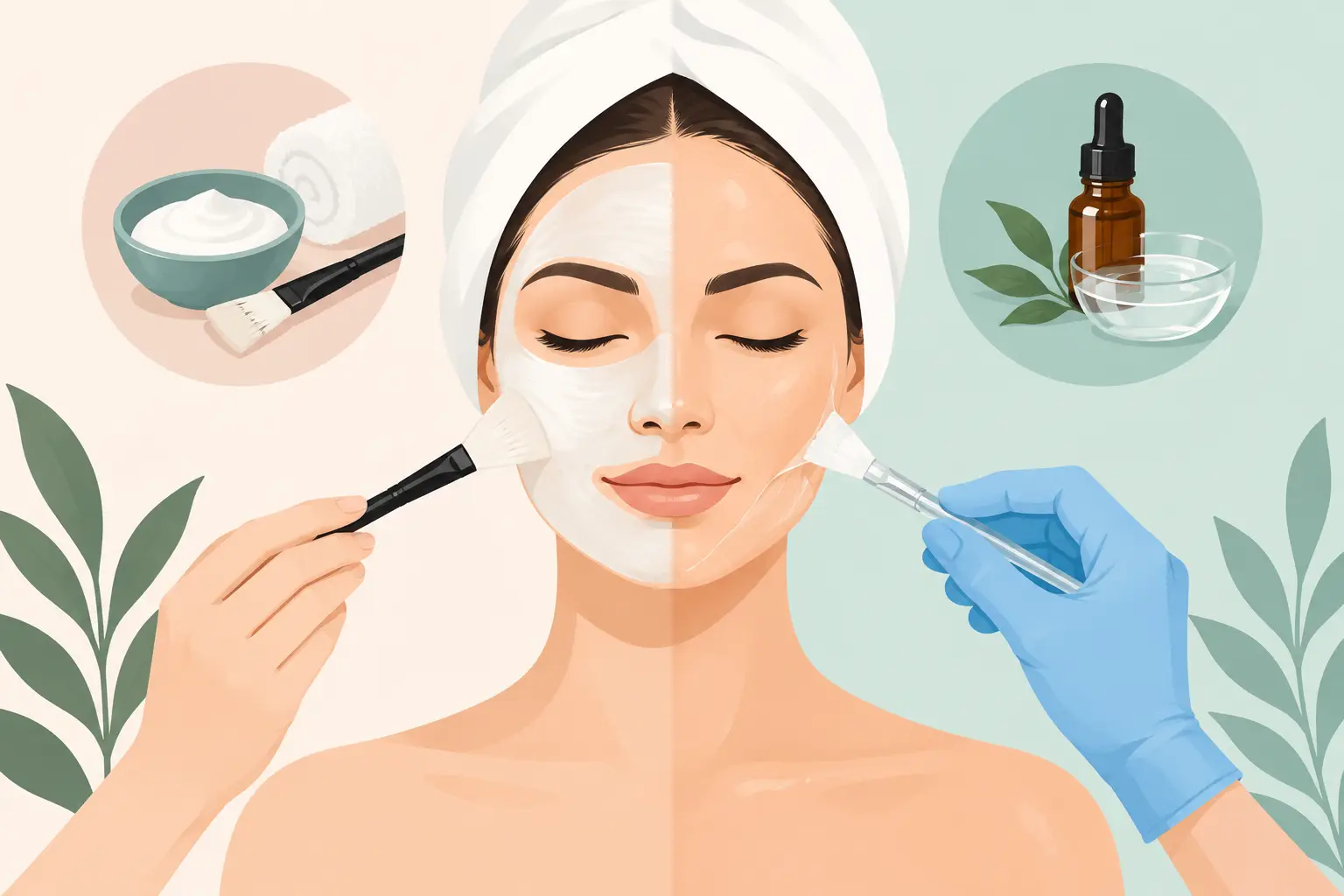
A facial or chemical peel can both leave skin looking brighter, smoother, and more refreshed, but they create that result in very different ways. The right choice is not about choosing the strongest treatment. It is about choosing the experience and level of renewal that suit your skin, schedule, and comfort.
For many people, the decision comes up before a special event, after a stressful season, or when their usual skincare routine no longer seems to deliver the glow they want. A personalized approach matters because skin can be dehydrated, congested, sensitive, dull, or all of the above at once. Your treatment should meet your skin where it is.
What a Customized Facial Can Do for Your Skin
A professional facial is designed to care for the skin in the moment while creating space to truly unwind. It may include a thorough cleanse, gentle exfoliation, extractions when appropriate, targeted masks, massage, and nourishing finishing products selected for your needs.
The experience is as restorative as the visible results. Facial massage can help ease the tension many people carry in the jaw, forehead, and temples, while thoughtful product selection helps replenish moisture and support a smoother-looking complexion. You leave feeling cared for, not rushed.
A customized facial is often an excellent choice when your skin needs hydration, calming care, or a polished refresh without significant recovery time. It can also be ideal before an occasion when you want a healthy-looking glow but do not want to risk unexpected dryness or peeling.
Facials are especially flexible
One of the biggest advantages of a facial is its adaptability. A skilled esthetician can adjust the level of exfoliation, choose soothing options for reactive skin, or focus on congestion in areas that need more attention. The treatment can change with the season, your stress level, your travel schedule, or the products you have recently introduced at home.
That flexibility is valuable in Los Angeles, where sun exposure, dry indoor air, makeup, workouts, and a full calendar can all show up on the skin. A facial offers an intentional reset with a gentler path back to radiance.
How a Chemical Peel Works
A chemical peel uses a chemical exfoliant to encourage the shedding of damaged or dull surface skin cells. Depending on the formula and strength, it may target uneven tone, visible texture, breakouts, post-breakout marks, or fine lines. The goal is to reveal fresher-looking skin as the skin renews itself.
Peels vary widely. Some are light and create only minimal flaking, while others can involve noticeable peeling, redness, tenderness, and more downtime. That range is why a chemical peel should never be treated as a one-size-fits-all beauty appointment.
A peel can produce meaningful results for the right candidate, but it asks more of the skin than a typical facial. It also asks more of your schedule. You may need to limit sun exposure, pause certain active skincare products, and follow specific aftercare instructions while the skin recovers.
Stronger is not always better
It is easy to assume that more peeling equals better results. In reality, over-exfoliation can compromise the skin barrier and leave skin feeling tight, irritated, or unusually sensitive. The best peel is one that matches your skin tone, current condition, history of sensitivity, and desired outcome.
If you use retinoids, exfoliating acids, or acne treatments at home, disclose that information before considering a peel. Recent waxing, a sunburn, active irritation, pregnancy-related skin changes, and certain medications can also affect what is appropriate. For deeper peels or complex concerns, care from a qualified medical professional may be necessary.
Facial or Chemical Peel: The Key Differences
The clearest distinction is the treatment experience. A facial is usually centered on comfort, hydration, relaxation, and customized surface-level care. A chemical peel is a more intensive exfoliation-focused service that may involve a recovery period.
A facial can offer immediate softness and glow, particularly when skin is dry, tired, or congested. Its results can be beautifully visible, though regular appointments and consistent home care create the most lasting improvement. A peel may offer more pronounced renewal for specific texture or pigment concerns, but results develop over time and depend heavily on proper aftercare.
The decision also depends on your lifestyle. If you have a wedding, presentation, vacation, photo shoot, or busy work week coming up, a soothing facial is generally the more predictable option. If you can plan around possible peeling and are working toward a more corrective skin goal, a professionally guided peel may be worth discussing.
When a Facial May Be the Better Choice
Choose a facial when you want your skin to feel refreshed without committing to downtime. It is often the more comfortable option for clients who are new to professional skincare, have sensitive or dehydrated skin, or simply want an elevated hour of self-care with visible benefits.
A facial can also be the wiser starting point if you are unsure what your skin needs. Rather than guessing which active treatment will solve a concern, a skin consultation can identify whether the issue is dryness, congestion, barrier disruption, uneven texture, or something else entirely. Sometimes the most effective next step is not stronger exfoliation. It is restoring balance.
At Absolute Skin Therapy, personalized facials are designed around that principle. Every skin story is different, and a thoughtful treatment should feel both indulgent and intentional.
When It May Be Worth Considering a Peel
A peel may be a consideration when your primary goal is targeted exfoliation and you are prepared to follow a careful aftercare plan. It can be useful for persistent dullness, certain forms of uneven tone, acne-related concerns, and texture that has not responded to gentler approaches.
Timing matters. Do not schedule a peel immediately before an important event just because you want a quick glow. Even a light peel can be unpredictable, particularly if it is your first one or your skin has been stressed by sun, travel, or active products. Give yourself room for recovery and consult a qualified provider who can assess your needs safely.
The Question to Ask Before You Choose
Instead of asking, “Which treatment is better?” ask, “What does my skin need right now?” A facial may be the answer when your skin feels depleted and you need nourishing care with no disruption to your routine. A peel may be appropriate when you have a specific exfoliation-focused goal and can plan for recovery.
Also consider how your skin tends to react. If you frequently experience redness, stinging, or flaking after trying new products, gentle, customized care may be the more comfortable route. If your skin is resilient but your concerns are more persistent, a professional consultation can help you understand whether a peel belongs in your long-term plan.
Let Your Skin Set the Pace
Beautiful skin rarely comes from pushing it to its limit. It comes from paying attention to its signals, protecting its barrier, and choosing treatments that support both your goals and your well-being. Whether you are craving a calming facial experience or considering more intensive exfoliation, give your skin the thoughtful care it deserves. Radiant skin awaits you when the treatment feels right, not rushed.
Leave a Reply