
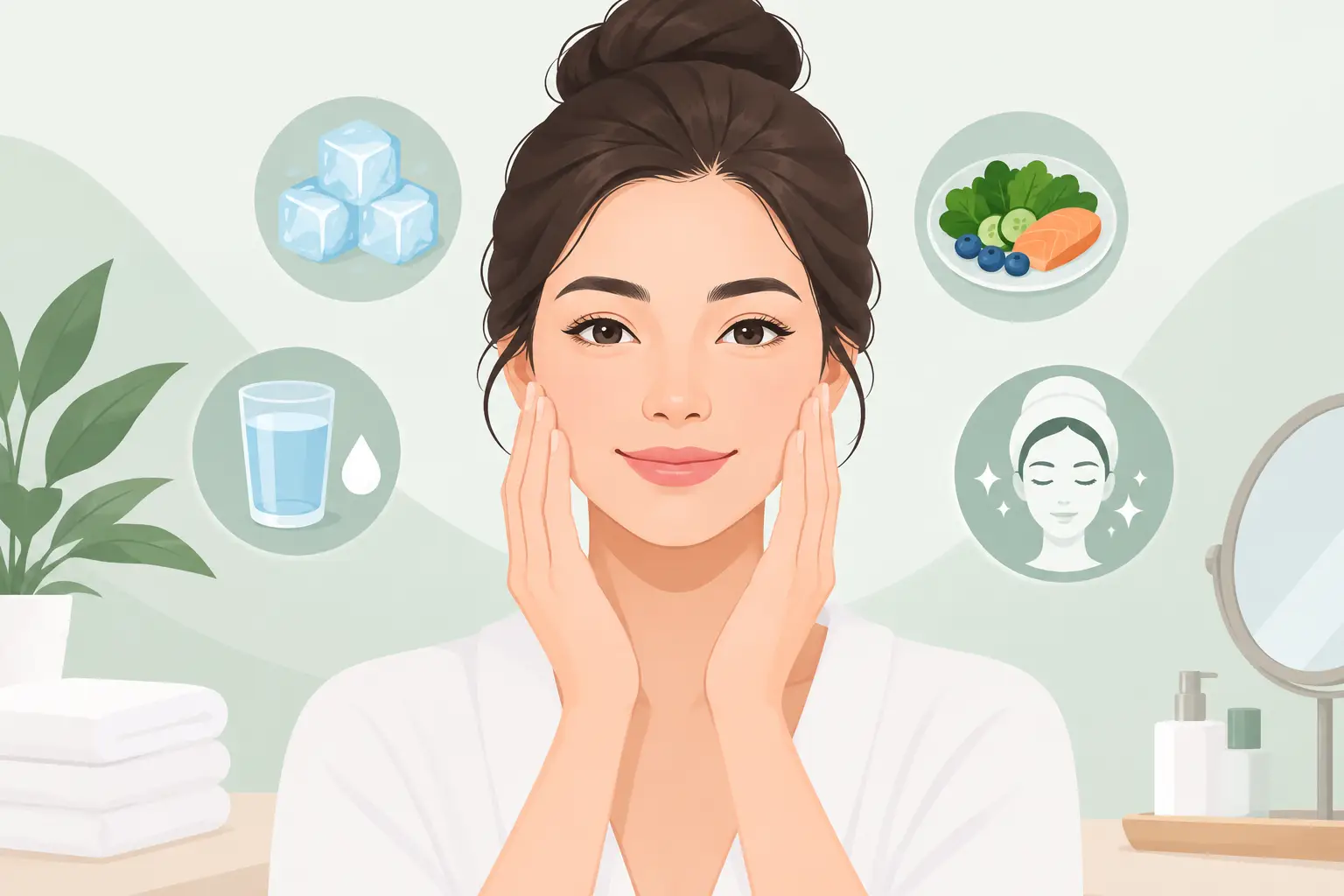
That slightly swollen, heavy feeling in the face can make even a well-rested morning feel less polished. If you are wondering how to reduce facial puffiness, the most effective approach is usually gentle, consistent, and tailored to what caused it in the first place. A little puffiness after a late dinner, a stressful week, or an interrupted night of sleep is common. Your skin does not need harsh treatment to look refreshed – it needs thoughtful care.
For many people, facial puffiness improves with simple changes to hydration, sleep, food choices, and a few calming skincare rituals. The goal is not to force an overnight transformation. It is to support circulation, comfort, and a more rested-looking complexion with habits that feel good to maintain.
Why Your Face May Look Puffy
Facial puffiness often comes down to temporary fluid retention. Salty meals, alcohol, dehydration, seasonal allergies, hormonal shifts, crying, and sleeping flat or face-down can all contribute. Heat, travel, stress, and a demanding work schedule can also leave the face looking fuller than usual, particularly around the eyes and jawline.
Skin sensitivity can play a role, too. Trying a new product, using too many active ingredients, or over-exfoliating may cause irritation that looks like swelling. This is one reason personalized skincare matters: what gives one person a glow can leave another person feeling tight, flushed, or puffy.
Timing offers a helpful clue. Puffiness that is most noticeable when you wake up may be related to sleep position, evening sodium, or fluid shifts overnight. Puffiness that appears after a certain food, product, or environmental exposure may call for a closer look at that trigger.
How to Reduce Facial Puffiness at Home
Start with the basics before reaching for an elaborate routine. The small choices you make during the day can have a visible effect by the next morning.
Hydrate steadily, not all at once
It may seem counterintuitive, but not drinking enough water can encourage the body to hold onto fluid. Sip water consistently throughout the day, especially after coffee, travel, exercise, or an evening out. There is no need to overdo it in a single sitting. A steady hydration routine is more comfortable and more useful than trying to catch up at bedtime.
If plain water feels uninspiring, add a slice of cucumber or citrus for a spa-like touch. The point is to make hydration feel like part of your wellness ritual, not another item on a rushed to-do list.
Be mindful of late-night sodium and alcohol
A salty dinner can be enjoyable, but it may show up in your reflection the next morning. Restaurant meals, packaged snacks, cured foods, and sauces can contain more sodium than expected. Alcohol can also disrupt sleep and contribute to dehydration, which may make the face look less rested.
You do not have to eliminate every indulgence. Balance is more realistic. If you have a richer meal or drinks in the evening, drink water, keep the rest of the night simple, and give yourself a little extra time for a calm morning routine.
Adjust your sleep position
If you regularly wake up with puffiness around the eyes or cheeks, try sleeping with your head slightly elevated. An extra pillow or a gradual incline may help reduce the pooling of fluid that can happen overnight. Side and stomach sleepers may notice more uneven morning puffiness simply from pressure against the pillow.
Clean pillowcases matter as well. Fresh linens create a more comfortable sleep environment and can be especially helpful for skin that is prone to congestion or sensitivity.
Use cool, gentle pressure
A cool compress can offer quick comfort when your face feels warm or swollen. Use a clean, soft cloth dampened with cool water and rest it lightly over the eyes and cheeks for a few minutes. Avoid applying ice directly to the skin, which can be too intense and irritating.
You can follow with a light moisturizer and gentle upward-and-outward movements using clean hands. The pressure should feel soothing, never forceful. Think of it as encouraging relaxation in the face rather than trying to press puffiness away.
Try a simple facial massage ritual
A brief massage can help the face look more awake while creating a welcome pause in your day. Apply a facial oil or moisturizer that suits your skin, then use slow, featherlight strokes from the center of the face outward. Glide from the sides of the nose across the cheeks, from the chin toward the ears, and from the brow area toward the temples.
Keep the area under the eyes especially gentle. This skin is delicate, so use your ring finger and minimal pressure. A massage should leave the skin looking calm and comfortably hydrated, not red or stretched.
The Skincare Trade-Off: More Is Not Always Better
When your face looks puffy, it can be tempting to exfoliate, use a strong mask, or layer several new products in search of an immediate fix. This approach can backfire. Overly aggressive skincare can compromise the skin barrier, leaving the complexion more reactive and less comfortable.
Instead, simplify. Use a mild cleanser, a hydrating moisturizer, and products you already know your skin tolerates well. If you are prone to sensitivity, avoid testing a new active ingredient right before a major event, a long flight, or an important workday.
A customized facial can be a restorative choice when you want both relaxation and visible refreshment. The right treatment should consider your current skin condition, not just your usual skin type. On a day when your skin feels dehydrated and stressed, a calming, hydrating approach may be far more beneficial than anything intense.
Support a Less Puffy Look Through Daily Wellness
Facial puffiness is often connected to the pace of life. Long screen hours, jaw tension, inconsistent sleep, and high stress can show up in subtle ways across the face. Building small moments of restoration into your routine supports more than your appearance – it helps you feel more at ease in your own skin.
Movement can help, whether that means a morning walk, stretching between meetings, or a workout that feels right for your energy level. Managing stress matters, too. A few slow breaths, a quiet shower, or time away from your phone before bed can support deeper rest, which often shows in the face the following day.
For clients who carry tension through the neck, shoulders, and jaw, therapeutic massage can be a meaningful part of a broader wellness routine. Relaxing these areas may help you feel lighter and more comfortable, even though it is not a medical treatment for swelling. At Absolute Skin Therapy, personalized care is designed around how you feel and what your skin needs in that moment, creating space to unwind while supporting a radiant, well-rested appearance.
When Puffiness Needs Medical Attention
Most occasional facial puffiness is temporary. However, do not assume every type of swelling is cosmetic. Seek prompt medical care for sudden or severe swelling, swelling of the lips or tongue, trouble breathing, hives, fever, significant pain, injury-related swelling, or changes that affect one side of the face. Persistent or recurrent puffiness is also worth discussing with a qualified healthcare professional, particularly if it is accompanied by other symptoms.
A gentle routine can make a beautiful difference when puffiness is related to everyday life. Give yourself water, rest, light touch, and skincare that respects your skin. A calmer morning ritual may be just the reset that helps you look refreshed and feel ready for what is ahead.
Leave a Reply