
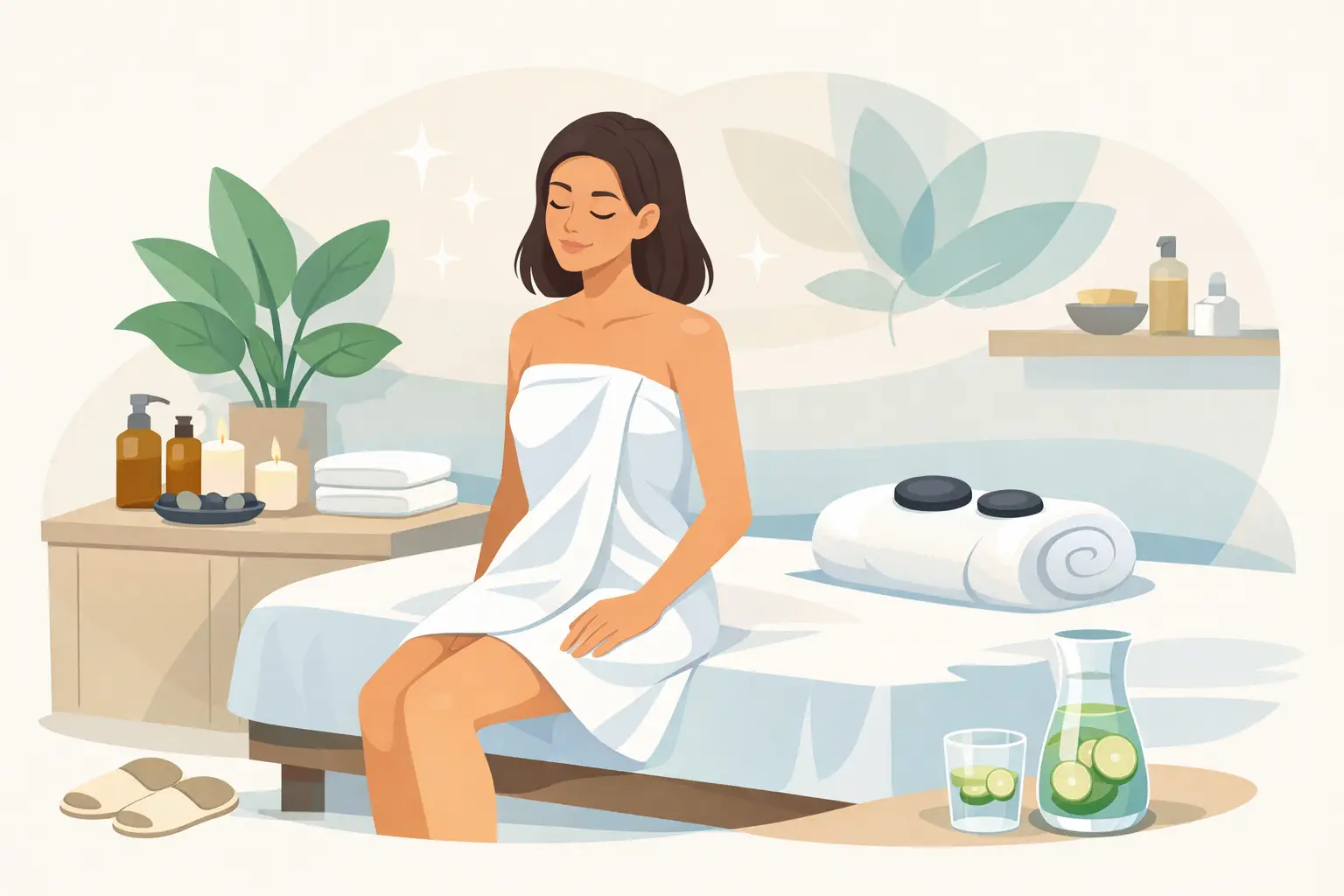
A massage should not feel like another item squeezed between meetings, traffic, and notifications. Knowing how to prepare for massage gives your body a chance to settle before your session begins, so the time on the table can feel more restorative, comfortable, and truly yours.
At a boutique spa, the details matter. A few thoughtful choices before your appointment can help your therapist understand what you need, whether that is focused relief for tight shoulders, soothing care for tired muscles, or simply a quiet hour to unwind.
How to Prepare for Massage Before You Arrive
Begin by protecting the time around your appointment. If possible, avoid scheduling your massage immediately before a demanding call, a workout, or a long list of errands. Give yourself room to arrive without rushing and to leave without needing to race into the next obligation.
Aim to arrive about 10 to 15 minutes early, especially for your first visit. This allows time for a relaxed check-in and any intake forms without taking away from your hands-on treatment time. In West Hollywood, where even a short drive can become unpredictable, a little extra time can make a meaningful difference in how quickly your mind and body settle.
Choose comfortable clothing that is easy to change out of and back into. You will be professionally draped throughout your service, and you should always feel secure and at ease. There is no need to dress up for a massage. Soft, relaxed clothing makes the transition in and out of your treatment feel effortless.
A shower beforehand can be a lovely part of the ritual, but it is not a requirement. Come as you are, clean and comfortable. If you have used a strongly scented body product or fragrance, consider keeping it light so the treatment room remains a calm, balanced space for you and your therapist.
Eat Lightly and Hydrate Well
A nourishing, light meal one to two hours before your massage is often ideal. Arriving overly hungry can make it hard to relax, while a very large or rich meal may leave you feeling uncomfortable when lying face down or turning on the table.
Hydration matters, too. Drink water normally throughout the day rather than trying to make up for it with a large bottle right before your appointment. Well-hydrated tissue often feels more responsive to bodywork, and water can help you feel refreshed afterward. There is no need to overdo it, though. The goal is simple comfort, not a rigid wellness rule.
It is best to avoid alcohol before a massage. Alcohol can affect hydration, circulation, and your ability to accurately sense pressure or communicate discomfort. If you are hoping for clear-headed relaxation and the best response from your body, save the celebratory drink for another day.
Caffeine is more personal. If your daily coffee is part of your routine, you do not necessarily need to skip it. However, if caffeine tends to make you restless, anxious, or extra sensitive, consider choosing less than usual before your session. The more settled you feel, the easier it can be to receive the treatment fully.
Share What Your Body Needs
Your massage is personalized, and the conversation before it begins is part of that care. Take a moment to consider what has been bothering you lately. Perhaps your neck feels strained after hours at a desk, your lower back is tight from commuting, or your legs are sore after a physically active week. Specific details help guide the session.
Be open about your preferred pressure as well. Some clients want deeply focused work; others need a gentler, slower experience. Neither preference is better. The right pressure is the one that feels productive without making you brace, hold your breath, or tense against the touch.
Your therapist should also know about recent injuries, surgeries, chronic pain, pregnancy, allergies, skin sensitivity, or areas that feel tender or inflamed. Mention medications or health conditions that may affect massage, including blood-thinning medication, circulation concerns, or unexplained pain. In some situations, your healthcare provider may need to advise you first. This is not about making your appointment complicated. It is about creating a treatment that respects your body and supports your well-being.
If there is an area you would prefer not to have massaged, say so. If you would like more attention in a particular place, say that too. Massage is collaborative care. Clear communication is one of the most luxurious things you can bring into the room because it allows you to relax with confidence.
You Can Speak Up During the Session
You do not need to wait until the end to mention a concern. A room that is too cool, music that feels distracting, pressure that is too light or too intense, or discomfort in your neck position can all be adjusted. Small changes can transform the experience.
There is also no pressure to make conversation. Some clients enjoy talking through their stress; others want complete quiet. Both are welcome. Give yourself permission to choose what helps you feel most cared for.
Skip Intense Activity Right Before Your Appointment
A massage can complement an active lifestyle, but timing is worth considering. An intense workout immediately before your session may leave muscles overly fatigued or sensitive, especially if you are seeking more focused pressure. If your goal is recovery, a massage after activity can feel wonderful, but it may be better to allow your heart rate to return to normal first.
Likewise, avoid booking bodywork over a fresh sunburn, active skin irritation, or an area that is newly bruised or acutely injured. Massage should feel soothing and beneficial, not like something you have to push through. When in doubt, explain what is going on before your appointment so the treatment can be adapted thoughtfully.
Set Down the Mental To-Do List
Physical preparation helps, but the transition out of a busy mindset is just as valuable. Before you enter the treatment room, silence your phone or leave it tucked away. Take several slow breaths. Notice whether you are clenching your jaw, lifting your shoulders, or rushing your thoughts ahead to the rest of the day.
You do not have to arrive perfectly calm to benefit from massage. Many people book because they are stressed, tense, and overdue for a pause. The point is not to perform relaxation. It is simply to give yourself permission to receive it.
Consider choosing one quiet intention for the appointment. It can be as simple as, “I want my shoulders to soften,” or “For the next hour, I do not need to solve anything.” This small shift can make the experience feel less transactional and more restorative.
Make Space for the Hours Afterward
One overlooked part of preparing for a massage is planning what comes next. If you can, keep your post-massage schedule gentle. You may feel energized, sleepy, emotionally lighter, or pleasantly loose through your muscles. Each response is normal, and a little breathing room lets you enjoy the benefits without immediately returning to stress.
Continue drinking water, eat when you are hungry, and pay attention to what your body is asking for. Gentle movement is usually welcome, while strenuous activity may not be ideal if you have received deeper work and feel tender. Mild soreness can happen after more focused massage, much like the sensation after using muscles in a new way. It should not feel sharp, alarming, or severe.
A warm shower later in the day, comfortable clothes, and an earlier bedtime can extend that sense of care. You are not required to turn the rest of the day into a wellness retreat. Even a few quieter choices can help your body hold onto the ease you created.
Your Comfort Is Part of the Treatment
The best preparation is not about following a long list of rules. It is about arriving nourished, unhurried when possible, and ready to communicate honestly. At Absolute Skin Therapy, personalized attention begins before the first touch, with space to listen to your goals and tailor the experience around them.
Whether you are booking massage for persistent tension, post-workday relief, or a well-deserved reset, let the appointment be a boundary around your well-being. Put the phone away, take the slower route into the moment, and allow yourself to leave feeling cared for.
Leave a Reply