
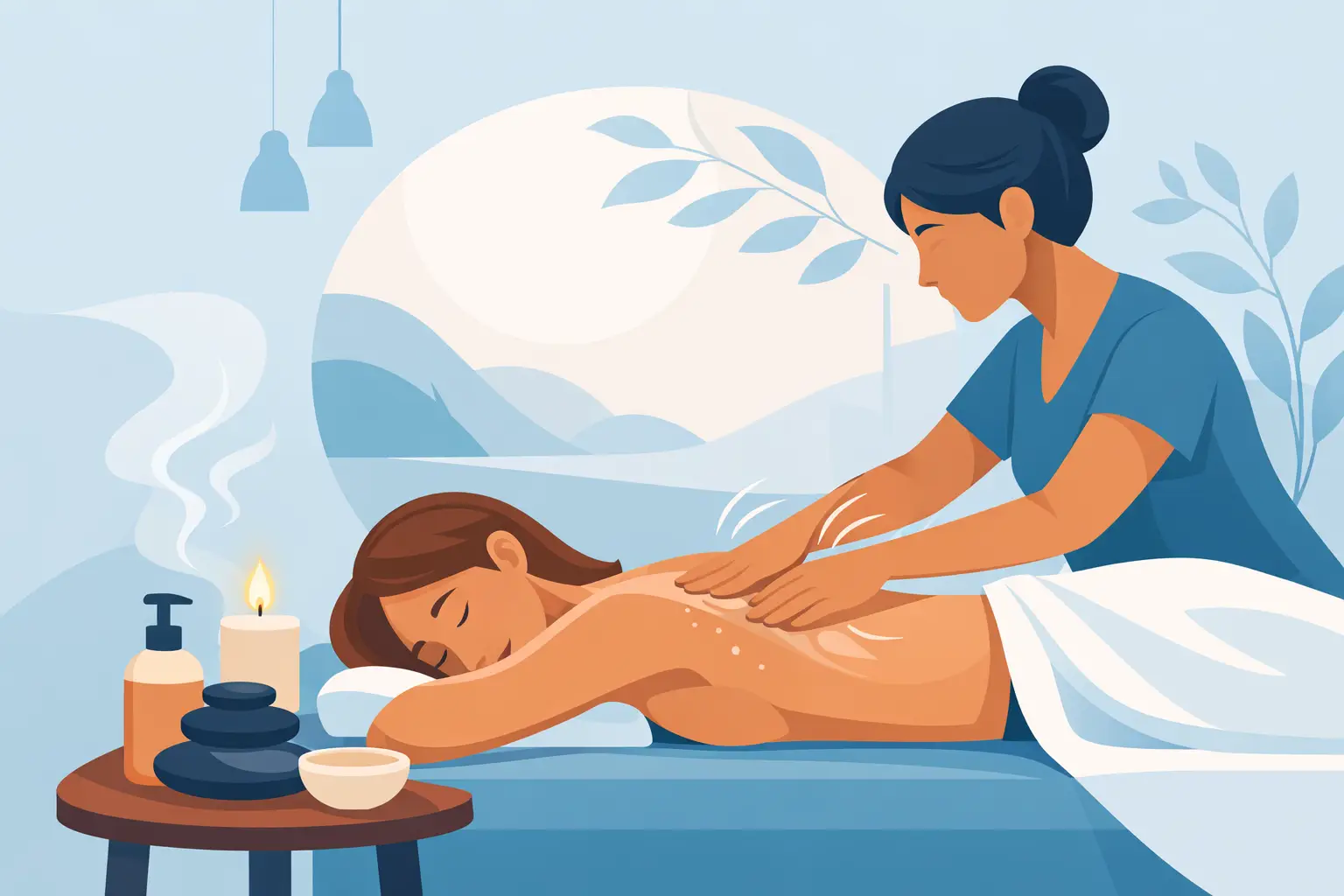
That tight, tender feeling after a demanding workout, a long day at a desk, or too many hours on your feet can make even simple movement feel like work. Massage for sore muscles offers more than a brief escape from discomfort. When the pressure, pace, and focus are tailored to your body, it can create the kind of release that helps you feel settled, lighter, and ready to move through your day with greater ease.
At a boutique massage appointment, the goal is not to push through pain or follow a routine that feels the same for everyone. It is to listen to what your body needs that day. Sometimes that means focused work on persistent shoulder tension. Sometimes it means a slower, soothing experience that helps your whole system finally exhale.
Why muscles feel sore in the first place
Muscle soreness has more than one cause, which is why the right approach is always personal. You may feel achy after returning to exercise, increasing the intensity of a familiar workout, carrying a heavy bag, or spending hours with your neck angled toward a screen. Stress can also show up physically, especially through clenched jaws, raised shoulders, and a back that never seems to fully relax.
Some soreness arrives quickly, while other discomfort develops a day or two after activity. In either case, your body may feel stiff, sensitive, or fatigued. A thoughtful massage can encourage relaxation in the surrounding soft tissue and give you a quiet, dedicated moment to reconnect with how you feel.
The experience should be relieving, not something you endure. Productive pressure can feel substantial, especially in areas of long-held tension, but sharp pain, burning, numbness, or a feeling that makes you brace against the table is a signal to speak up. Excellent bodywork is responsive bodywork.
What massage for sore muscles can do
A customized massage can be especially valuable when soreness is paired with stress, stiffness, or the feeling that your body has been carrying too much for too long. Through intentional touch and a pace chosen for your comfort, massage may help ease the feeling of tightness, improve your sense of mobility, and support a calmer state of mind.
For many clients, the most noticeable benefit is immediate: shoulders feel less elevated, the lower back feels less guarded, and movement feels more comfortable when they stand up from the table. The benefit can also be emotional. When work, commuting, workouts, and everyday responsibilities keep you in motion, an uninterrupted treatment creates space to slow down without needing to explain why you need it.
Results vary based on the source of your soreness, your activity level, hydration, sleep, and how much tension your body has been holding. Massage is not a substitute for medical care, and it cannot diagnose an injury. But for ordinary muscular fatigue and stress-related tension, it can be a restorative part of a more considered wellness routine.
Gentle or deeper pressure? It depends
There is no prize for choosing the deepest possible pressure. The best pressure is the one that allows your muscles to soften rather than fight back.
Gentler, flowing techniques can be ideal when you are generally tired, stressed, new to massage, or sensitive after an intense week. They help create a sense of full-body relaxation while still giving attention to the places where tension tends to gather.
More focused, deep tissue-style work may feel right when a particular area has been persistently tight, such as the upper back, hips, or calves. This approach should be gradual and communicative. A skilled therapist will work within your comfort level, check in often, and adjust rather than treating intensity as the only measure of quality.
You can also combine both approaches. A session may begin with slower, calming touch to help the body relax, then spend more time where you need it most. That balance is often what makes a massage feel both indulgent and genuinely useful.
When to schedule a massage
Timing matters, particularly around exercise. If you have the ordinary heaviness that follows a workout or physically demanding week, a massage can be a comforting way to support recovery. Some people prefer a lighter session shortly after activity, while others wait until the next day, when stiffness is more noticeable.
If you are preparing for an event or a demanding stretch of training, avoid trying an unusually intense treatment for the first time right beforehand. You want to leave feeling comfortable and cared for, not uncertain about how your body will respond. A personalized session with moderate, familiar pressure is often the more reliable choice.
Regular appointments can make sense if tension is part of your routine rather than a one-time issue. For an office professional, that may mean addressing neck and shoulder tightness before it becomes the background feeling of every workday. For someone with an active lifestyle, it may mean creating a consistent recovery ritual that feels as intentional as the training itself.
When it is better to wait
Not every sore muscle needs massage right away. If an area is newly injured, visibly swollen, bruised, hot to the touch, or causing severe pain, pause and seek appropriate medical guidance before booking bodywork. The same applies if you have unexplained pain, fever, numbness, weakness, or pain that travels down an arm or leg.
Be open about recent injuries, surgeries, health conditions, and medications during your intake conversation. That information helps your therapist provide a treatment that respects your comfort and safety. Personalization begins before the massage starts.
It is also wise to postpone if you are feeling ill or have a skin irritation in the area to be treated. A luxury wellness experience should leave you feeling cared for from start to finish, and that includes knowing when rest or medical attention is the more supportive choice.
How to make your session feel even better
You do not need a complicated pre-massage routine. Arrive with a little time to settle in, wear clothing that is easy to change out of, and drink water as you normally would. A heavy meal immediately before your appointment may make it harder to fully relax, so keeping things light can help.
The most useful thing you can bring is honesty. Let your therapist know where you feel sore, what movements have been uncomfortable, whether you prefer quiet, and what level of pressure feels right. Mention the areas you would like prioritized, but also share what you would prefer to avoid. These details make it possible to shape the experience around you rather than simply around a menu of techniques.
Afterward, give yourself a softer landing if you can. Hydrate, move gently, and avoid treating the appointment as something to rush through between two stressful obligations. You may feel calm and loose immediately, or you may notice a little tenderness after more focused work. That can happen, particularly when an area has been tight for a while. Keep your evening easy, notice how your body responds, and choose rest over overdoing it.
A more personal kind of recovery
The best massage does not make you feel like another appointment on a crowded schedule. It recognizes that sore muscles can come from very different lives: a demanding presentation week, a favorite fitness class, long hours behind the wheel, or the quiet accumulation of stress.
At Absolute Skin Therapy, each treatment is designed around that reality, with attentive care in a private, polished setting where wellness meets luxury. The intention is simple: help you leave feeling more comfortable in your body, more relaxed in your mind, and genuinely looked after.
When your muscles are asking for a pause, listen before tension becomes the new normal. A well-chosen massage can be a beautiful way to make room for relief, restore a sense of ease, and give yourself the same thoughtful care you offer everyone else.
Leave a Reply