
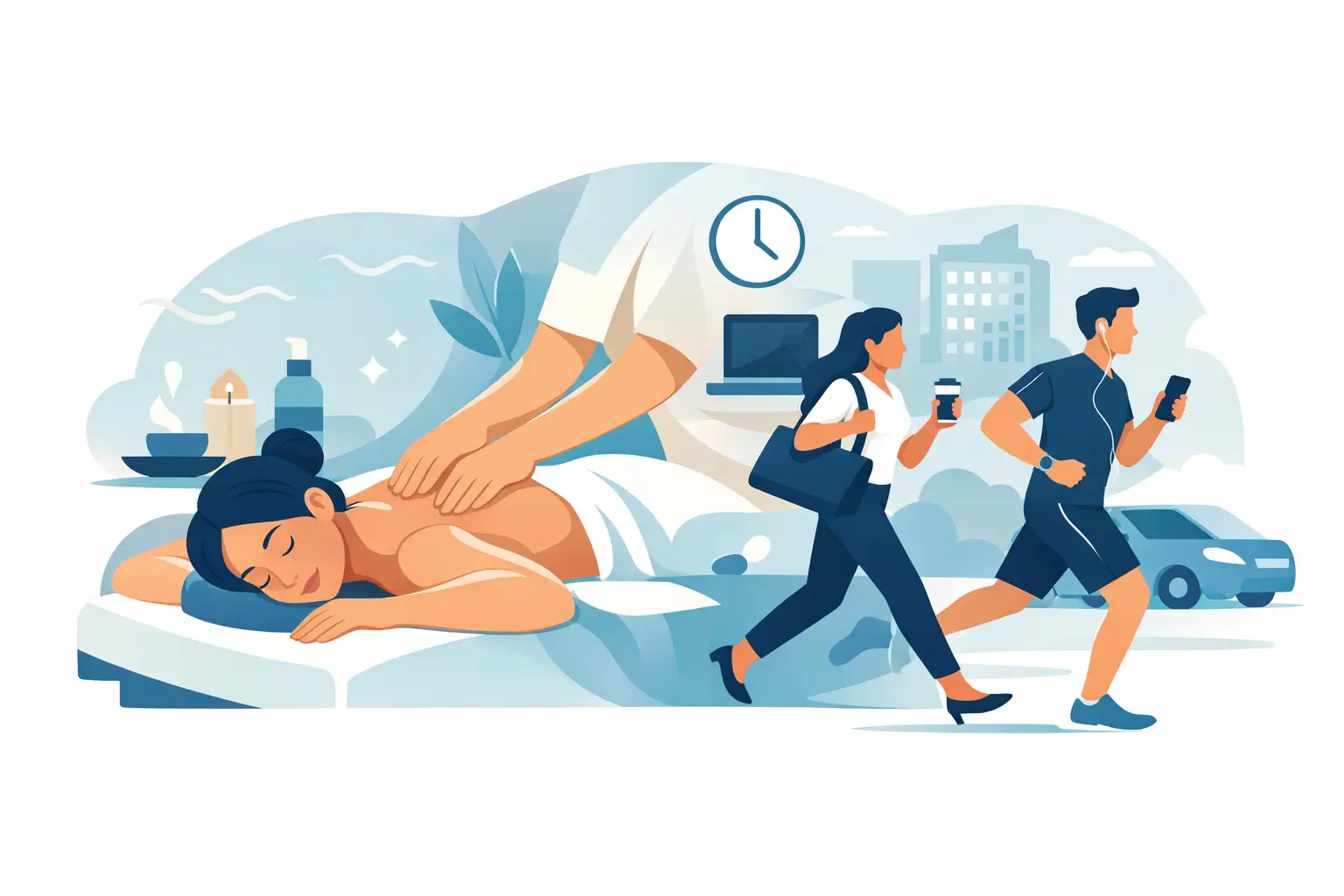
A tight neck after back-to-back meetings, a lower back that protests after a long drive, shoulders that never seem to drop – these are not minor inconveniences when they become part of your routine. The deep tissue massage benefits many clients seek begin with focused attention to persistent tension, helping the body feel less guarded and more comfortable while creating space to truly unwind.
Deep tissue massage is often associated with firm pressure, but the most rewarding experience is never about pushing through pain. It is about thoughtful, customized bodywork that addresses the areas asking for more care. For busy professionals, active clients, and anyone carrying the physical weight of a demanding schedule, this can be a restorative reset with benefits that extend beyond the treatment room.
What Deep Tissue Massage Is Designed to Address
Deep tissue massage uses slower, more deliberate techniques to work through tension in muscles and the connective tissue around them. Rather than offering the light, floating sensation of a purely relaxing massage, it is intended to reach areas that feel chronically tight, restricted, or overworked.
That does not mean every session should feel intense from beginning to end. Pressure should be adjusted to your comfort, your sensitivity that day, and the goals of your appointment. A skilled therapist listens carefully, checking in as needed and working with the body rather than forcing it to release.
This approach is especially helpful when tension has been building gradually. Desk work can lead to rounded shoulders and a stiff upper back. Exercise can leave the hips, calves, or legs feeling dense and fatigued. Stress may show up as a clenched jaw, elevated shoulders, or the familiar feeling that you cannot quite take a full breath. Deep tissue work can be tailored around those patterns.
Deep Tissue Massage Benefits You Can Feel
One of the clearest benefits is relief from muscular tightness. When a specific area has been working overtime, focused massage may help it feel softer, less tender, and easier to move. Clients often notice this in the neck, shoulders, back, hips, and legs, where repetitive movement, long periods of sitting, and stress commonly collect.
Improved ease of movement is another reason people choose deeper work. Tension can make everyday motions feel smaller than they should: turning your head while driving, reaching overhead, bending to pick something up, or moving through a workout. Massage cannot replace medical care for an injury or diagnosis, but it can support a sense of mobility and comfort when tight muscles are part of the picture.
Many clients also appreciate the recovery aspect. A demanding workout, a day spent on your feet, travel, or hours at a desk can leave the body feeling heavy and depleted. A personalized massage can help you transition out of that worn-down feeling, making it easier to settle into rest and return to your routine feeling more refreshed.
The emotional effect matters, too. Physical tension and mental stress often reinforce one another. When the body is constantly braced, relaxation can feel surprisingly unfamiliar. The quiet, attentive rhythm of a massage gives the nervous system an opportunity to slow down. For some clients, the most meaningful result is not just looser shoulders, but a calmer state of mind and a better chance of sleeping well that night.
Firm Pressure Should Still Feel Supportive
A common misconception is that deep tissue massage must hurt to work. In reality, pain can cause the body to tense further, which works against the purpose of the session. Productive pressure may feel strong, focused, and occasionally tender, but it should remain manageable. You should be able to breathe normally and communicate easily throughout your treatment.
There can be moments when a therapist pauses on a particularly tight area or uses slower strokes to encourage release. Those moments should feel intentional, not overwhelming. A personalized session makes room for feedback. If you need lighter pressure, more time in one area, or a different approach altogether, that information helps shape better care.
It is also normal to feel some mild tenderness afterward, particularly if your muscles were very tight or if deep work is new to you. Hydrating, gentle movement, and a quieter evening can help you feel more comfortable. Most people find that any post-massage soreness is temporary, followed by a greater sense of ease.
When Deep Tissue Work May Be a Good Fit
Deep tissue massage can be an excellent choice when you want focused care rather than a one-size-fits-all treatment. It may suit you if you regularly experience stiffness from computer work, repetitive movement, exercise, travel, or stress. It can also be valuable when you prefer a massage that feels purposeful while still preserving the comfort and tranquility of a spa experience.
The right frequency depends on your body and lifestyle. Someone preparing for an event, maintaining an active training schedule, or managing recurring tension may benefit from regular appointments. Others may choose a session whenever they notice their shoulders creeping upward again or their body feeling less mobile than usual. There is no single schedule that works for everyone.
For persistent, severe, or unexplained pain, massage should not be the first or only answer. Speak with a qualified health care professional if you have a recent injury, swelling, numbness, fever, significant bruising, a blood-clotting condition, or other medical concerns. Let your massage therapist know about surgeries, medications, injuries, and sensitivities before the appointment so your treatment can be adapted appropriately.
Making Your Massage More Effective
The conversation before a massage is part of the service, not a formality. Share where you feel tension, what movements bother you, how your body has felt lately, and what you hope to leave with. Perhaps you need your upper back addressed after a stressful workweek, or your legs need attention after long hours walking around Los Angeles. Specific details make personalization possible.
Arriving a few minutes early can also change the experience. It gives you time to transition out of traffic, screens, and responsibilities before your session begins. During the massage, try not to perform relaxation. There is no need to stay silent if the pressure changes, an area feels too sensitive, or you would like your therapist to spend more time somewhere else. Honest feedback supports a more satisfying result.
Afterward, resist the urge to rush immediately into the next demand. A short walk, water, a nourishing meal, or an early night can help prolong that refreshed feeling. Pay attention to how your body responds over the following day or two. You may begin to notice the habits that recreate tension, which can help you make more supportive choices between appointments.
A More Personalized Way to Release Tension
At Absolute Skin Therapy, deep tissue-style massage is approached as individualized care, not a standard pressure level applied to every client. Your comfort, goals, and current level of tension guide the treatment, creating an experience that feels both therapeutic and deeply calming. In a private, polished setting, there is time to slow down, be heard, and receive focused attention.
The real value of massage is often found in the small changes: sitting taller without thinking about it, waking up without the usual neck stiffness, feeling less irritable after a difficult week, or remembering what it feels like to have relaxed shoulders. Give your body the same thoughtful attention you give the rest of your life. A well-timed massage can be a gentle reminder that feeling better is worth making time for.
Leave a Reply